
.jpg)
Why Fall Is Bozeman's Best-Kept Secret Season
Ask a longtime Bozeman resident to name their favorite season, and you'll hear an answer that surprises a lot of newcomers: fall. Not summer, with its long evenings, river floats, and festival buzz. Not winter, with its powder days and that hush that settles in after a big snow. Fall. It slips in quietly toward the end of August, fully announces itself by mid-September, and then holds this corner of Montana in six straight weeks of some of the best weather and scenery of the year. It's the season that turns visitors into homeowners and makes it nearly impossible for anyone to leave once it arrives.
The Light Is Different Here
Fall light in Southwest Montana does something you can't really explain until you've seen it. It sits lower in the sky, hits everything at a sharper angle, and carries a warmth summer light never quite manages. Mornings roll gold and slow across the valley. Afternoons set the Bridgers glowing amber — the kind of light that makes people stop talking mid-sentence. And by dusk, the alpenglow feels less like a sunset and more like something worth watching on purpose. Transplants from bigger cities often say this is the moment Bozeman stopped being a decision and started feeling like home.
Aspens Turning Gold
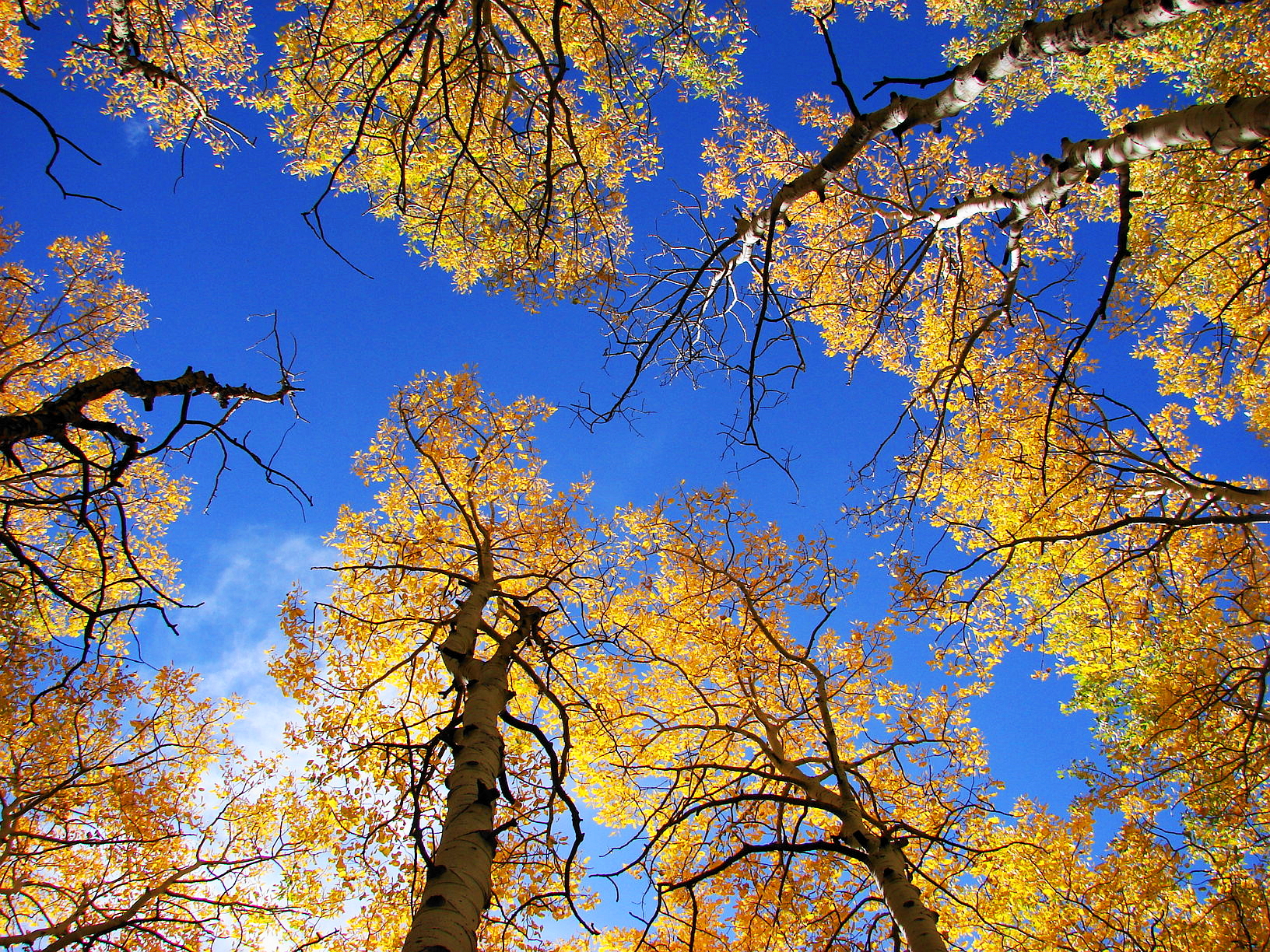
If one image sums up fall here, it's the aspens. Starting in the high country in late August and working their way down through the canyons into September and October, the groves shift from deep green to a yellow so bright it seems lit from within. Bridger Canyon, Hyalite Canyon, Sourdough Canyon, and Leverich Canyon all put on a show that stacks up against anywhere in the Mountain West. For locals, timing a hike or a canyon drive to peak color is practically a September tradition. For first-time visitors, it's often the moment Montana stops being a place they've heard about and becomes a place they're already figuring out how to move to.
The Elk Rut Takes Over
September around here belongs to the elk. The rut peaks in mid-September and carries through early October, and it brings a wildness to the landscape nothing else matches. Bulls bugle from the ridgelines before sunrise, and herds move through the foothills of the Gallatin Range in the early morning and evening light. For homeowners near open space — Triple Tree Ranch, Bridger Canyon, and similar areas — the elk aren't a rare sighting. They're neighbors, moving through the property with a confidence that's a good reminder of exactly what kind of landscape you're living in.
Fall Weekends Have Their Own Rhythm
Fall Saturdays in Bozeman run on Bobcat football. Tailgates start mid-morning, blue and gold show up on every block, and Bobcat Stadium delivers a crowd energy that's hard to find anywhere else. The farmers market keeps going through the season, with late-harvest offerings that feel right for the time of year. And once the summer tourist crowds thin out, Bozeman's restaurants settle into something warmer and more their own — the kind of dining room energy that peak season just doesn't allow.
One Last Drive Over the Beartooth
Every fall there's a window — usually late September into mid-October — when the Beartooth Highway is still open and the high country it climbs through has already turned. The tundra goes rust and gold, the glacial lakes pick up a deeper autumn blue, and the July crowds have all but disappeared, leaving the road to feel like a private showing of one of the best drives in the American West. [Photo credit: visityellowstonecountry.com] The highway tops out at 10,947 feet and typically closes around October 15, though weather can move that date up fast — a fresh 1 to 3 inches fell on the pass just this past August 30th. Making the drive before it closes is somewhere between a Bozeman tradition and an obligation, and if you haven't done it in fall, put it on the calendar before October runs out.
What Fall Tells You About a Home
Fall has an honesty that summer doesn't always offer. A house in September shows you things a house in July won't. You notice how the morning light hits the kitchen and whether the windows work with it or against it. You feel the first cold evenings and learn which outdoor spaces still make sense to use. You watch the aspens on the hillside behind the property turn and find out whether the views the listing promised are actually there from the rooms that matter. For anyone seriously weighing a move to Southwest Montana, a fall visit is one of the most honest ways to size up a property — and a place. The season doesn't flatter anything. It just shows you what's real. And for the homes and communities that are genuinely worth it, fall tends to make their best case.
.jpg)
Frequently Asked Questions
When do the aspens typically peak in the Bozeman area? Aspen color usually starts in the high country in late August and works down through the canyons and foothills through September into early October. Peak color in Hyalite, Bridger, and Sourdough canyons generally lands in the third and fourth weeks of September, though it shifts year to year with temperature and precipitation. Local hiking community sources tend to give the most accurate read on peak timing for any given year.
What is the elk rut and when does it happen near Bozeman? The elk rut is the annual breeding season when bull elk bugle to establish dominance and attract cows. In Southwest Montana, it typically peaks in mid-September and runs through early October — one of the most dramatic wildlife spectacles the region offers, with bulls bugling from ridgelines and meadows across the Gallatin Valley, often audible from neighborhoods near open space.
Is fall a good time to visit Bozeman if I'm considering a move? Yes, and more than most people expect. Fall strips away summer's flattering conditions and shows the place as it really is — which here tends to mean genuinely beautiful and livable. The community settles back into its normal rhythm after the tourist season, local restaurants and businesses feel more like themselves, and the real estate market often offers more room to negotiate than the competitive summer months do.
When does the Beartooth Highway typically close for winter? The Beartooth Highway generally targets a closure around October 15, though weather can push that earlier — sometimes into early October. At 10,947 feet, it's vulnerable to early snow, as shown by the 1 to 3 inches that fell on the pass on August 30th this year. Current road conditions and closure updates are available at mdt.mt.gov.
Posted by PollyAnna Snyder onEnjoy this blog post? Click here to subscribe for updates
Leave A Comment