
What Makes a Montana Home Feel Like Montana
Spend enough time around Southwest Montana real estate and you start to notice a pattern in the homes that feel truly right for this place. It isn't about chasing what's trending in national design magazines or recreating a home someone loved in a coastal city. It's quieter than that. The best homes here are built to respond to the land they sit on — to earn their place in the terrain instead of just occupying it. After years of watching this region grow, one thing has become clear: buyers who choose Southwest Montana aren't after a generic luxury build. They want something that could only exist here, shaped by this light and this landscape.
Siting Comes Before Everything Else
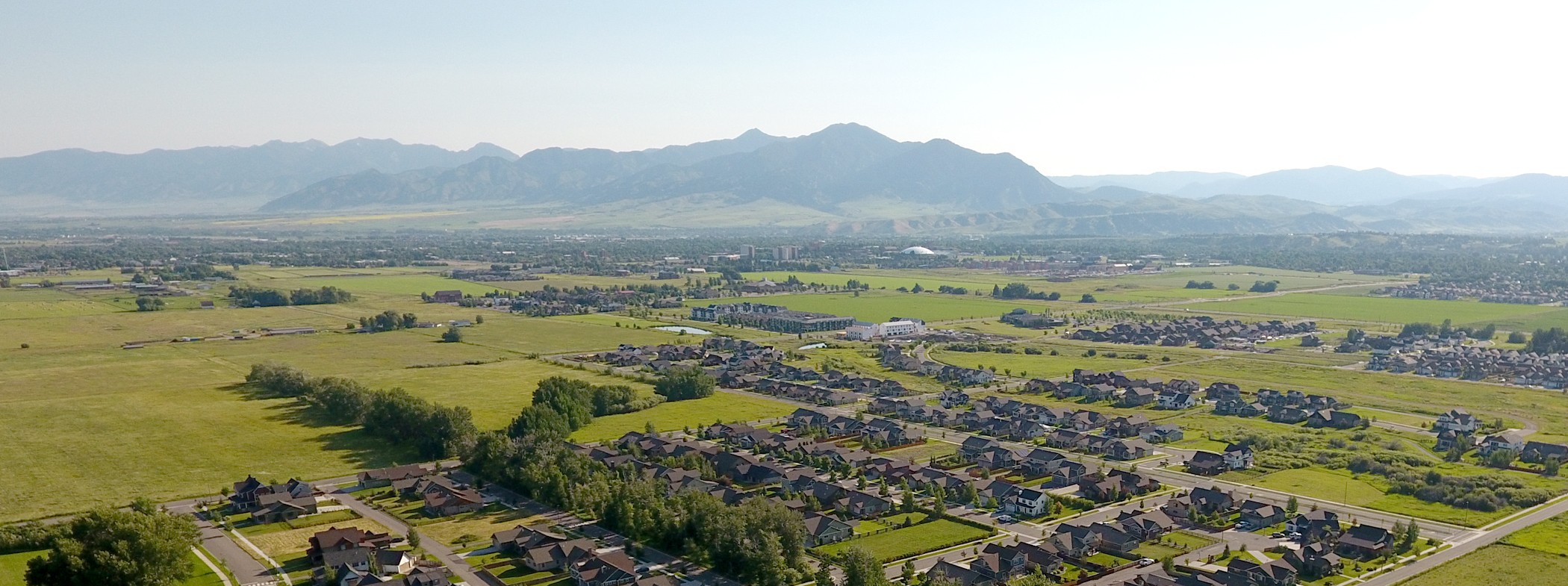
Long before a floor plan takes shape, the most important decision a Montana home makes is where it sits and what it faces. A ridge lot in Bridger Canyon might orient every major room toward sweeping mountain views. A property along a valley floor might open toward a river corridor. A south Bozoeman lot might be built around catching alpenglow on the Bridgers at sunset. Homes that get this right don't just photograph well — they live well, year after year. The view isn't decoration; it drives window placement, deck orientation, even where the primary suite sits relative to the morning sun. Architects who understand this region start with the site, not the blueprint, and the results feel almost inevitable — as if the house couldn't have been built any other way.
Materials With a Sense of Place
Step into a well-designed Montana home and the materials tell you where you are before anyone says a word. Reclaimed timber — fir, pine, or Douglas fir salvaged from structures with their own Western history — brings a depth to a great room that new lumber can't fake. Pair that with locally sourced stone, hand-forged iron details, wide-plank hardwood floors, and metal roofing built to shed heavy snow, and you get materials chosen as much for performance as beauty. They aren't decorative flourishes; they're practical choices that happen to age into something better.
The Kitchen: Where the Day Actually Happens
In a Montana home, the kitchen isn't just functional — it's where life collects. It's the room where mornings start before a run to the river and where evenings wind down after a day outside. Professional-grade appliances are common at this level, but what really sets a kitchen apart is the thinking behind them: a butler's pantry built for real entertaining, an island sized for gathering as much as prep work, a banquette that keeps people lingering, and an easy flow to the outdoor living space.
Indoor-Outdoor Living, All Year Long
No design move matters more here than the transition between inside and outside — and in Southwest Montana, that's a four-season idea, not a summer one. Full-height sliding or folding glass walls open a kitchen, dining room, or primary suite directly onto a covered patio, keeping mountain views constantly in frame. Add a fireplace and proper heating to that covered space, and it becomes a room in its own right, getting real use from early spring through late fall — and sometimes on clear winter nights, too. In the homes that do this well, the line between indoors and outdoors is almost impossible to find.
A Primary Suite Built for Retreat
The best primary suites here aren't just large bedrooms with nice bathrooms — they're genuine retreats. Set apart from the rest of the home, angled toward the most private view on the property, often with direct access to its own patio, these spaces are designed for quiet mornings that belong only to the homeowner. The bath extends that same intention: a soaking tub placed for a view, a shower built for daily use rather than photos, and radiant floor heat that turns a cold Montana morning into something to look forward to. A flex room off the suite — office, gym, or sitting room depending on the season of life — has become a hallmark of homes built to last.
Light as a Design Material
Montana light is genuinely unmatched, and the best architects here treat it like a building material in its own right. South-facing rooms capture winter warmth. Clerestory windows animate a space without eating up wall room. Skylights bring out the grain in reclaimed timber overhead. Exterior lighting extends the connection to the landscape after dark. This is the hardest quality to capture in a photo and the easiest to feel the moment you walk into a room that's gotten it right.
Why This Matters for Buyers
A home sited thoughtfully, built with materials that belong here, and designed around the landscape tends to hold its value — and its appeal — better than a more generic luxury build. The light stays right every morning. The views stay present in the rooms that matter. The materials age instead of dating. Interested in finding a Southwest Montana home built with this kind of intention? Reach out to the Montana406 team to start the conversation, or explore current luxury listings across Bozeman, Big Sky, and beyond.
Frequently Asked Questions
What makes Montana home design different from other luxury markets? The defining trait is relationship to landscape. Where other markets often treat the outdoors as a backdrop, Montana design treats it as the starting point for nearly every decision — orientation, materials, and the blend of indoor and outdoor living.
What materials show up most in high-end Montana homes? Reclaimed timber, locally quarried stone, wide-plank hardwood, hand-forged iron, and metal roofing appear consistently — chosen for how they perform in Montana's climate and how they age over time.
How important is the kitchen in Montana home design? Very. These kitchens are built for daily, year-round use, not just weekend entertaining, combining professional-grade equipment with practical layout and easy outdoor access.
What's the most important design decision when building in Southwest Montana? Orientation. A home that misses its best light or view underperforms no matter how well it's finished — this is the decision that pays off most over time.
Does indoor-outdoor living really work through a Montana winter? Better than most people expect. Covered patios with fireplaces and proper heating extend outdoor living from early spring through late fall, with plenty of homeowners using them on clear winter evenings too.
Posted by PollyAnna Snyder onEnjoy this blog post? Click here to subscribe for updates
Leave A Comment